
The Supreme Court has stayed the execution of an alleged Indian Mujahideen operative sentenced to death in connection with the 2013 Dilsukhnagar blasts.

The Maharashtra ATS on Monday arrested two alleged associates of top IM operative Yasin Bhatkal in connection with the 2011 serial blasts in the metropolis.

The Telangana High Court upheld a trial court's verdict handing out death penalty to five senior operatives of banned terror outfit, Indian Mujahideen, involved in a bomb blast that left 18 people killed in 2013. The court dismissed the criminal revision appeal filed by the IM operatives while upholding the NIA court's judgment. The five members, including IM co-founder Mohd Ahmed Sidibapa alias Yasin Bhatkal, Pakistani national Zia-ur-Rahman alias Waqas, Asadullah Akhtar alias Haddi, Tahaseen Akhtar alias Monu and Ajaz Shaikh, were convicted in 2016. The special court for NIA cases here awarded capital punishment to five convicts treating it as a rarest of the rare case. The high court, after conducting a detailed hearing in the appeals filed by the convicts, confirmed the death sentence of the five IM operatives.

A startling disclosure by arrested Indian Mujahideen co-founder Yasin Bhatkal -- that his outfit carried out a reconnaissance of nearly a dozen spots in Mumbai in August -- has prompted Maharashtra police to beef up security.
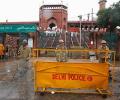
Indian Mujahideen terrorist Ejaz Sheikh, wanted in several cases including a terror strike in Jama Masjid in New Delhi, was arrested on Friday night from Saharanpur area of western Uttar Pradesh by the Special Cell of Delhi Police.

Pronouncing the sentence, Judge T Srinivasa Rao described the case as the "rarest of the rare".

Top Indian Mujahideen operative Tehsin Akhtar alias Monu, one of the alleged masterminds of a string of terror attacks in India, was on Wednesday remanded to police custody till April 2 by a Delhi court.

Telangana prison officials denied reports that the jailed operative had called his wife using a mobile phone.

Indian Mujahideen co-founder Riyaz Bhatkal not only used to send funds for terror acts across the country but also regularly provided money to families of the jailed and absconding operatives of the banned outfit, the NIA has told a special court in New Delhi.
